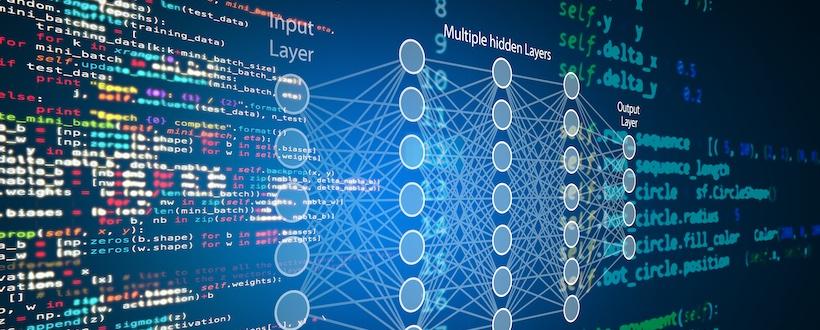
Artificial intelligence and deep learning: Your questions answered
Find out about this important new technology and be part of the conversation.
Find out about this important new technology and be part of the conversation.
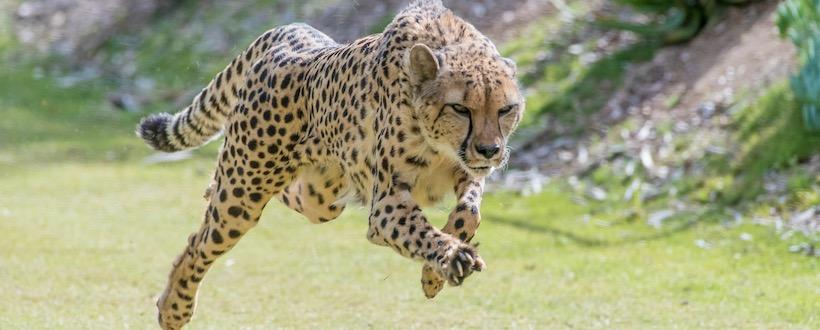
The mathematics of movement can describe the behaviour of all types of organisms, from cancer cells to humans.
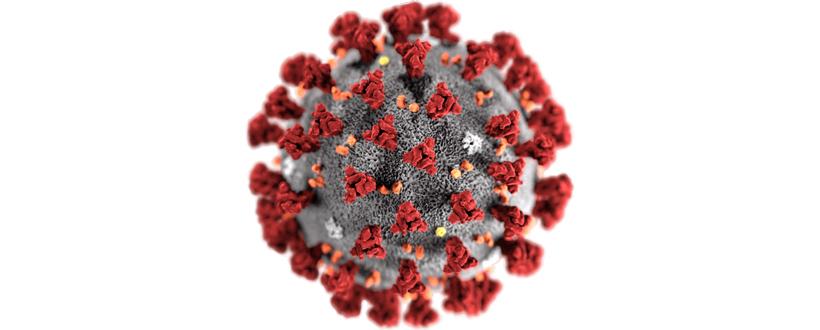
How does maths help in tackling infectious diseases? Join Julia Gog to find out in this series of videos and articles, and have a go at modelling diseases yourself!
As COP28, the 2023 United Nations Climate Change Conference, kicks off we look at how maths can help understand the climate crisis.
Don't like plant-based meat alternatives, but want to spare animals and the environment? There's hope on the horizon, aided by a good helping of maths.
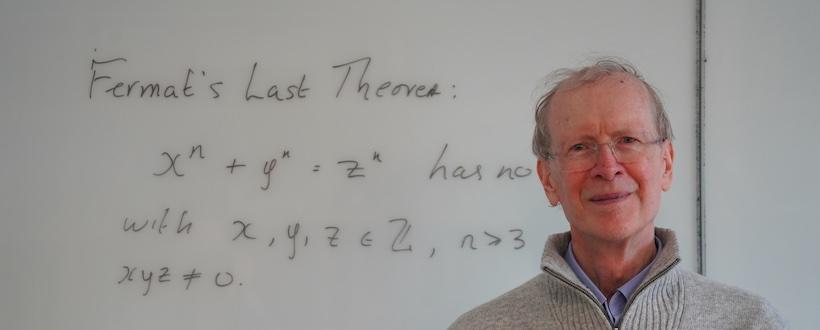
Andrew Wiles's proof of Fermat's Last Theorem solved a centuries-old problem by opening a door onto the future of mathematics.
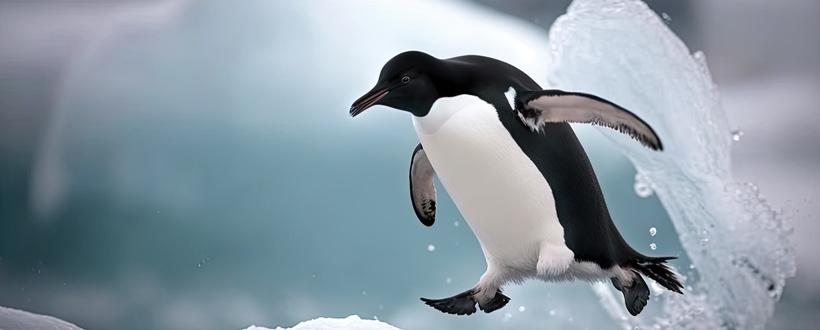
How can maths help to understand the Southern Ocean, a vital component of the Earth's climate system?
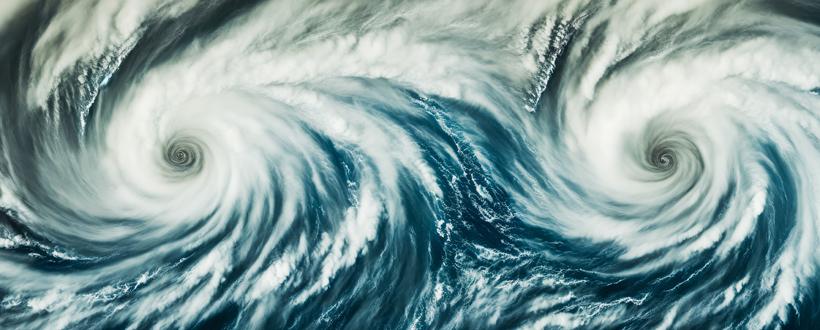
Predicting the weather requires a lot of physics, a lot of maths, and a whole lot of data. But with more data and computing power becoming available, artificial intelligence may be able to help.

Dispersion lies at the heart of many dramatic phenomena - explore the maths that explains it!
Are you curious about maths and the world? Then explore plus.maths.org to stay connected with mathematics: from the maths of everyday life to the latest current research!
In this episode we revisit an interview with Ken Ono about the remarkable Indian mathematician Srinivasa Ramanujan, one of the most fascinating figures in the history of mathematics.

From tiling bathrooms to fooling cancer cells, and from new insights in topology to bringing research into the classroom—we hope you enjoy our April round-up!
Our neighbour Oscar Randal-Williams tells us about his exciting work at the frontiers of mathematics!
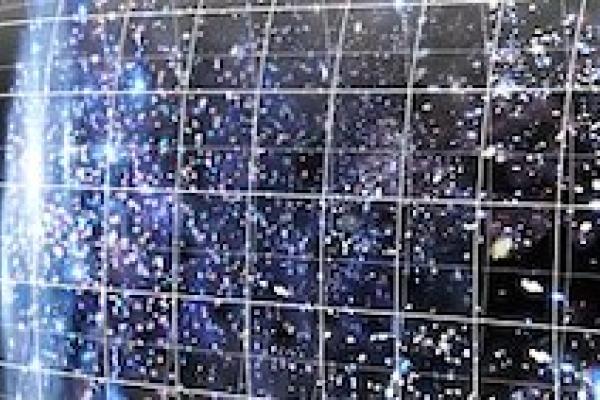
How did the all the stars and galaxies end up where we see them today? The very first instance of the Universe's existence holds the answer.
Join us at the mathematical frontier with Georg Maierhofer as he tells us about an exciting new idea bringing together physics and machine learning!
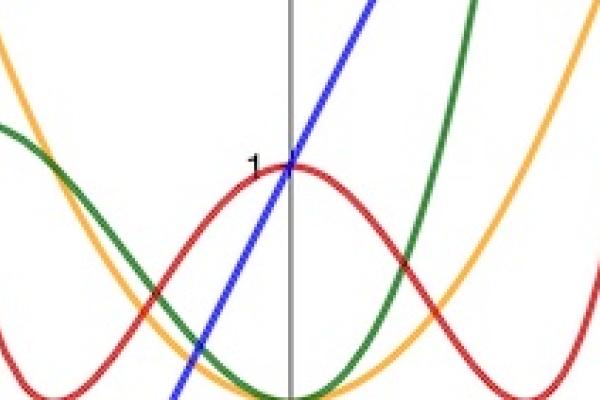
Creep up on polynomials with this quick introduction.
To celebrate this year's International Women's Day we revisit some of the articles, podcasts and videos we have produced with women mathematicians over the last year.