
Article
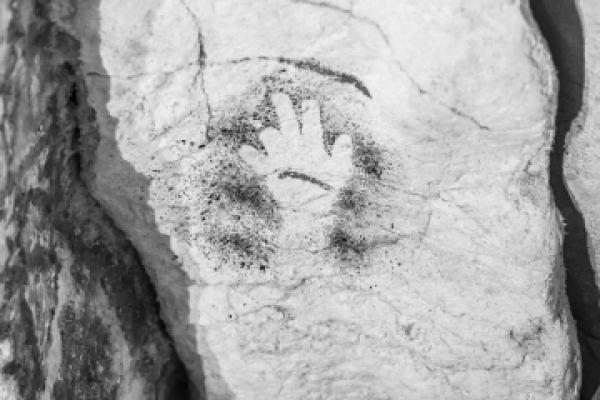
Cosquer: Counting by hand
When did humans first start to count? A cave in France may contain the earliest evidence.
When did humans first start to count? A cave in France may contain the earliest evidence.
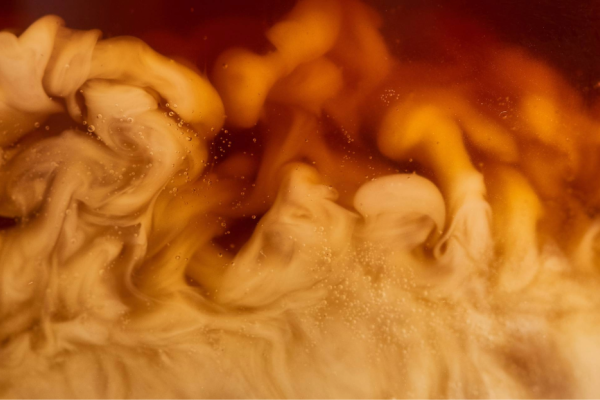
Researchers from different fields recently came together to improve our understanding of anti-diffusion, the process behind the distinct bands of Jupiter, that also plays a role in our oceans and in developing plasma fusion reactors.
Combining AI with human knowledge of physics may lead to powerful applications in a range of areas — from weather forecasting to engineering.
Whenever you smell the lovely smell of fresh coffee or drop a tea bag into hot water you're benefiting from diffusion. Find a quick introduction to the concept here.
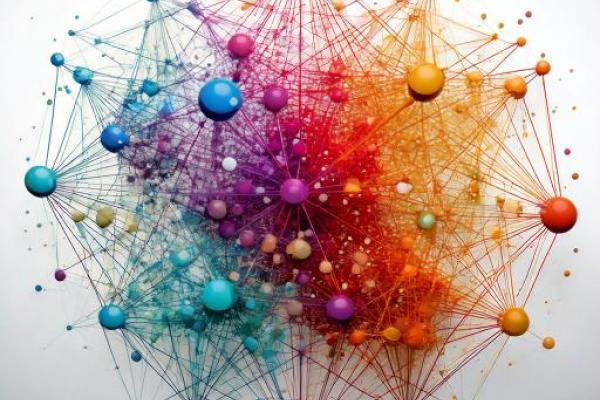
Find out what a random network is, why random networks are useful, and generate your own with our interactivity!
If you're an artist with an interest in mathematical ideas and patterns then here's a competition for you. Enter by March 31, 2025 to win cash prizes up to £750 !
We experience phase transitions every day, but they are some of the most dramatic events nature presents us with. Here's a quick introduction.
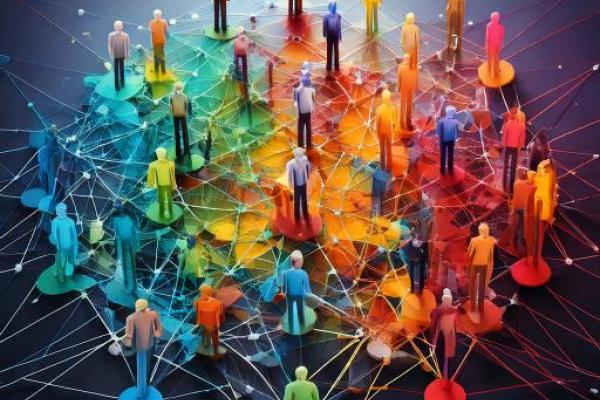
We explore the maths that helps explain this well-known phenomenon, which says that any two people around the world are likely to be connected through a surprisingly short chain of acquaintance links.
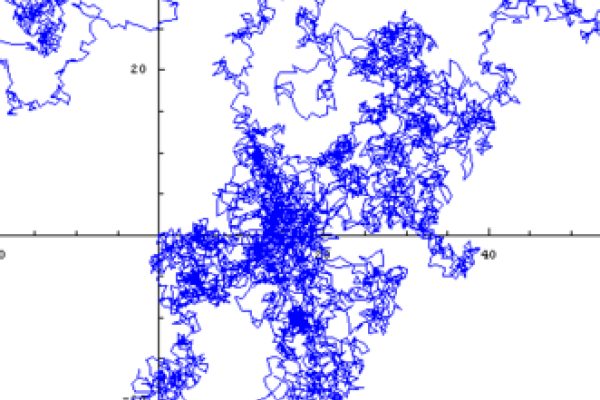
Random walks are great for modelling anything that moves, from particles to people. They're also fun, versatile and beautiful!
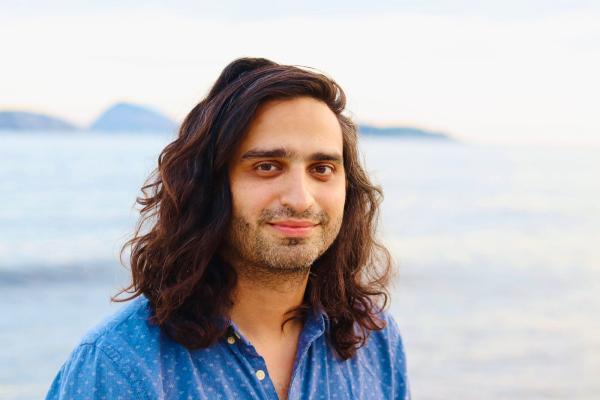
Julian Sahasrabudhe wins a Whitehead Prize for combining different areas of maths using the power of combinatorics.
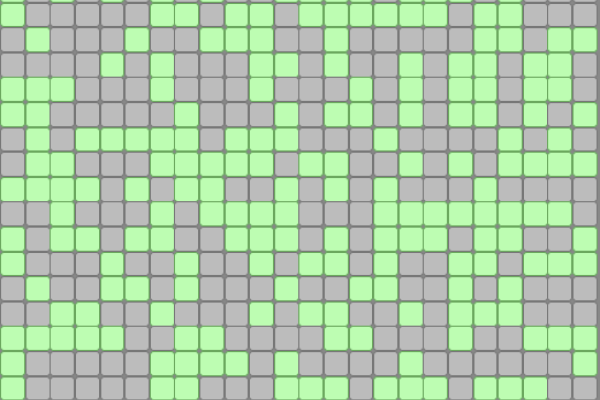
Even simple rules can lead to interesting processes. Play with Conway's famous cellular automaton to see life-like patterns unfold.
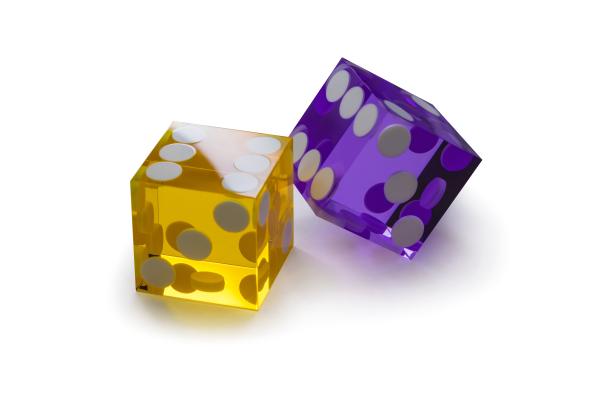
When a new infectious disease enters a population everything depends on who catches it — superspreaders or people with few contacts who don't pass it on. We investigate the stochastic nature of the early stages of an outbreak.