Dive deeper into the loop soup
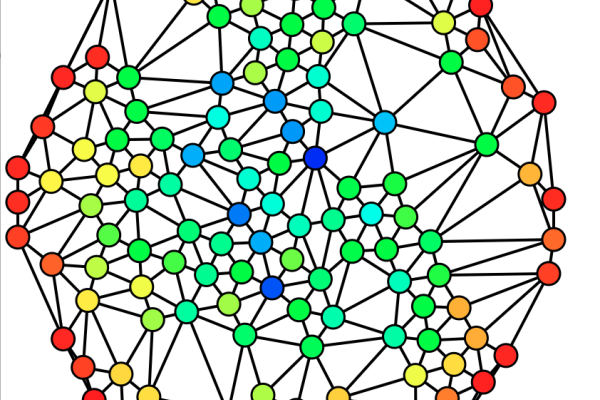
Fields Medallist Wendelin Werner loves Brownian loop soups. In the second part of this article, we learn more about why they matter so much.
Fields Medallist Wendelin Werner loves Brownian loop soups. We explore what they are, why he finds them so "natural", and how they are linked to the physics of elementary particles.
Daniel Baumann will be treading in Hawking's legendary footsteps, pursuing a central question of the field: How did the Universe begin? Find out more in this article.
Causal inference is the art of discerning cause and effect from data. Find out more in this introduction.
RCTs are the gold standard when it comes to testing whether an intervention, such as a new medical drug, works.
Data can give us incredibly useful insight, but they can also mislead. Here's an example.
How do you discern cause and effect when you can't do a controlled experiment? Directed acyclic graphs (DAGs) are a fun and important tool.
Tired of drawing a complete outsider? Here's a new kind of sweepstake that keeps everyone engaged until the very end of the World Cup.
Why was the 2025 Atlantic hurricane season different from previous seasons? Early career researcher Charles Powell analysed the data, helping insurance company Inigo in the process.
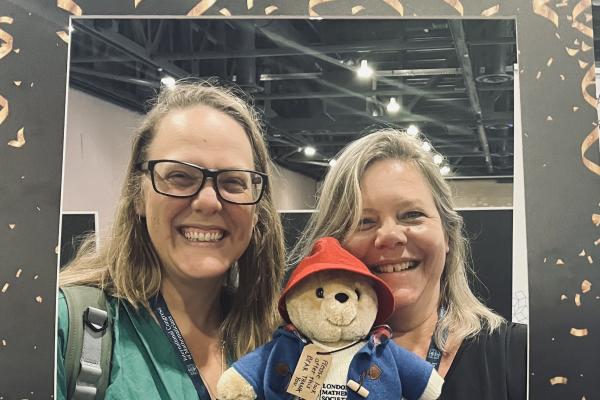
As we celebrate Women in Maths day, check out some of the brilliant women we have worked with over the last year.
Infectious diseases in hospitals cost lives and money. How can we best understand them?
Cognitive biases shape how we understand data. Being aware of them gives us a better chance of avoiding bias.