AI goes to physics class
Combining AI with human knowledge of physics may lead to powerful applications in a range of areas — from weather forecasting to engineering.
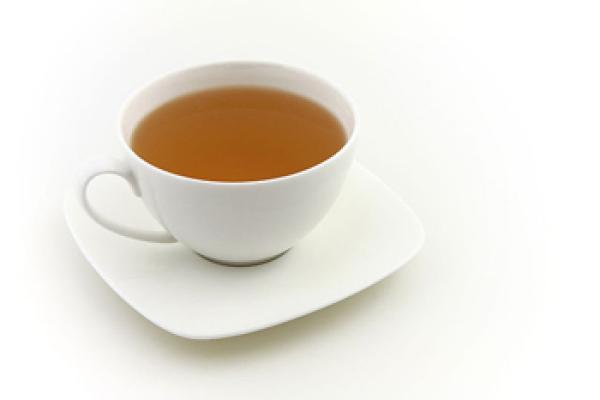
Whenever you smell the lovely smell of fresh coffee or drop a tea bag into hot water you're benefiting from diffusion. Find a quick introduction to the concept here.
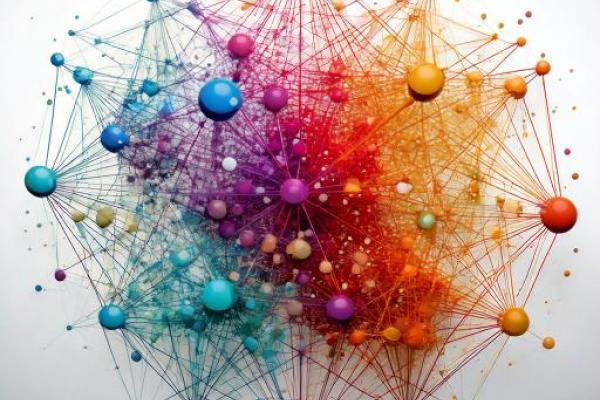
Find out what a random network is, why random networks are useful, and generate your own with our interactivity!
We talk to the creators of a fantastic tool for exploring maths and science through interactive simulations.
If you're an artist with an interest in mathematical ideas and patterns then here's a competition for you. Enter by March 31, 2025 to win cash prizes up to £750 !
Are you thinking of doing a Masters or PhD in maths or another STEM subject but are worried about funding? Then the Martingale Foundation might be for you. Find out more in this episode of Maths on the Move.
We experience phase transitions every day, but they are some of the most dramatic events nature presents us with. Here's a quick introduction.
We explore the maths that helps explain this well-known phenomenon, which says that any two people around the world are likely to be connected through a surprisingly short chain of acquaintance links.
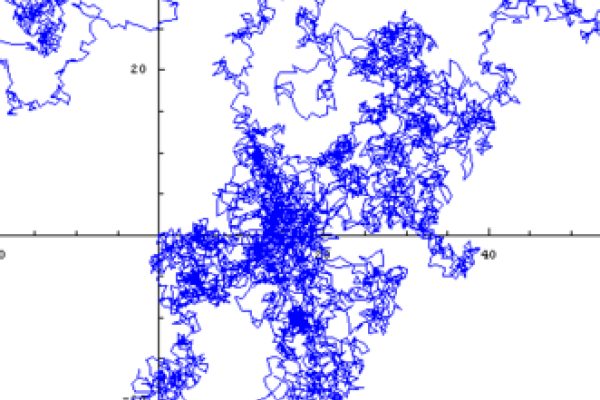
Random walks are great for modelling anything that moves, from particles to people. They're also fun, versatile and beautiful!
Yolanne Lee, A PhD student for the Maths4DL research project, tells us about what she thinks AI will be able to do in the near future, what it has to do with cats and dogs, and how music provided her first experience of science.
Julian Sahasrabudhe wins a Whitehead Prize for combining different areas of maths using the power of combinatorics.
Even simple rules can lead to interesting processes. Play with Conway's famous cellular automaton to see life-like patterns unfold.