More than maths: Understanding infectious diseases in care homes
Some diseases spread far more quickly in care homes and other settings with vulnerable people. How can maths help? And what help does maths need?

Invading mosquitoes and food poisoning in the production chain — there are a lot of questions epidemiologists address in their research.
Was vaccinating vulnerable people first a good choice? Hindsight allows us to assess this question.
What can we learn from the COVID crisis about finding consensus?
What do we know about mpox, what do we not know, and what efforts are going into modelling it?
The COVID-19 pandemic has amplified the differences between us. Understanding these inequalities is crucial for this and future pandemics.
Epidemiologist Matt Keeling tells us about his work on the roadmap out of lockdown, whether the models have been too pessimistic, and what it's been like producing scientific results that carry so much weight.
There have been accusations that the modelling projecting the course of the pandemic was too pessimistic. Are they justified?
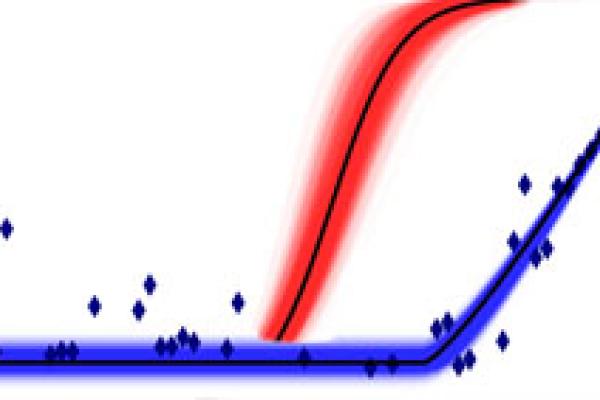
The maths behind the S-curves that allow us to tell if a new variant is on the rise.
How to tell quickly if a new variant is on the rise.