
Article
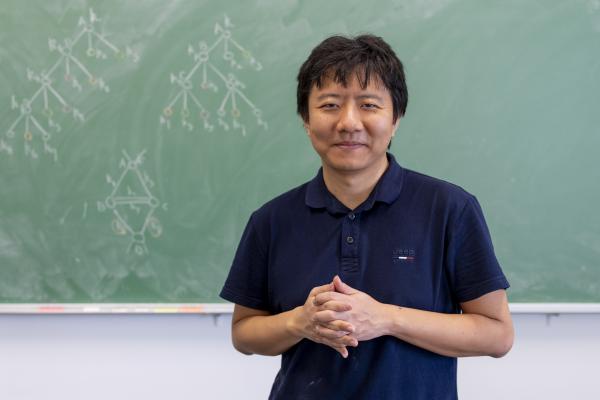
The Fields Medals 2026: Yu Deng
Yu Deng won a Fields Medal for work that addresses a grand mathematical dream.
Yu Deng won a Fields Medal for work that addresses a grand mathematical dream.
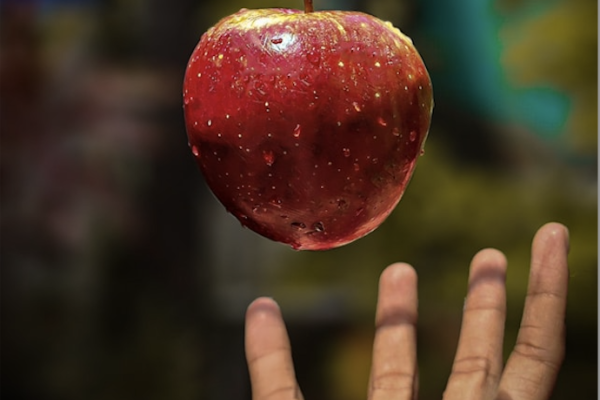
A law of nature that was reportedly inspired by an apple falling from a tree.
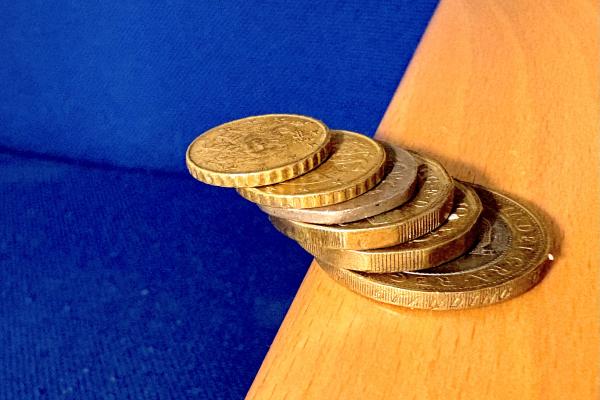
The surprising physics of stacking coins.

Simone Biles stunned audiences at the 2016 Olympics with a move that appeared to defy gravity. Did it really? Two sports scientists explain the physics of the Biles.


We've been dabbling a lot in the mysterious world of quantum physics lately, so to get back down to Earth we thought we'd bring you reminder of good old classical physics.
In the 1920s the Austrian physicist Erwin Schrödinger came up with what has become the central equation of quantum mechanics. It tells you all there is to know about a quantum physical system and it also predicts famous quantum weirdnesses such as superposition and quantum entanglement. In this, the first article of a three-part series, we introduce Schrödinger's equation and put it in its historical context.
It's not the winning, it's the taking part that counts. At least, that's what the Olympic creed would have us believe. But, like it or not, what the media and governments focus on is the tally of gold medals. This article explores some of the maths of gold.