
Article

From data to decisions
Causal inference is the art of discerning cause and effect from data. Find out more in this introduction.
Causal inference is the art of discerning cause and effect from data. Find out more in this introduction.
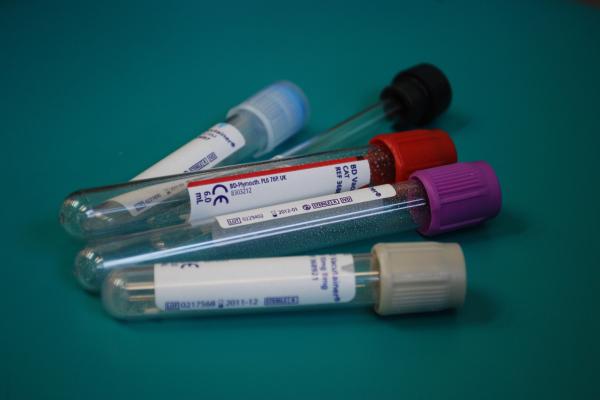
RCTs are the gold standard when it comes to testing whether an intervention, such as a new medical drug, works.

Data can give us incredibly useful insight, but they can also mislead. Here's an example.

How do you discern cause and effect when you can't do a controlled experiment? Directed acyclic graphs (DAGs) are a fun and important tool.

Tired of drawing a complete outsider? Here's a new kind of sweepstake that keeps everyone engaged until the very end of the World Cup.

Why was the 2025 Atlantic hurricane season different from previous seasons? Early career researcher Charles Powell analysed the data, helping insurance company Inigo in the process.

As we celebrate Women in Maths day, check out some of the brilliant women we have worked with over the last year.

Infectious diseases in hospitals cost lives and money. How can we best understand them?
Cognitive biases shape how we understand data. Being aware of them gives us a better chance of avoiding bias.

What does it mean to say there's a 30% chance of rain today?

Does knowing statistics about a whole population tell you how they apply to you?

The way we talk about numbers affects the decisions people make - so think carefully about what you say!